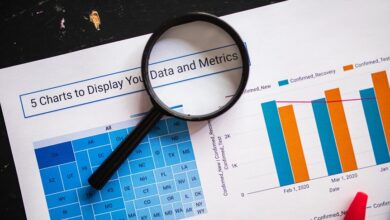
Technical Metrics Overview: 1,743,816,238, 927,830,585, 8,007,773,937, 5,625,430,318, 120,247,218, 2,132,953,417


The technical metrics overview presents critical figures that reflect an organization’s performance and operational efficiency. Key indicators such as 1,743,816,238 and 927,830,585 reveal important insights into productivity levels, while the substantial figure of 8,007,773,937 suggests robust operational capabilities. Furthermore, numbers like 5,625,430,318 and 120,247,218 point towards potential growth avenues. These metrics guide strategic decisions, but what underlying factors contribute to their significance?
Understanding the Significance of Large Numbers
Large numbers often serve as critical indicators in various technical domains, providing insight into trends, performance, and potential outcomes.
Their large number significance lies in the ability to facilitate numerical interpretation, allowing analysts to discern patterns and correlations.
Analyzing Performance Metrics
Performance metrics play a vital role in assessing the effectiveness of processes and strategies within an organization.
By analyzing performance trends, stakeholders can identify strengths and weaknesses, enabling informed decision-making. Metric comparisons across different periods or departments further highlight variations and areas for improvement.
This analytical approach facilitates a deeper understanding of operational efficiency, fostering a culture of continuous improvement and adaptability.
Insights Into Efficiency and Growth
A comprehensive understanding of efficiency and growth requires the evaluation of various operational indicators that reflect an organization’s performance.
By implementing targeted efficiency strategies, businesses can identify and leverage growth opportunities.
This analytical approach enables organizations to streamline processes, optimize resource allocation, and enhance productivity, ultimately fostering a culture of continuous improvement and adaptability in an increasingly competitive landscape.
Making Informed Decisions With Data
How can organizations effectively leverage data to drive decision-making?
By adopting data-driven strategies and robust decision-making frameworks, organizations can enhance their analytical capabilities. This approach enables leaders to interpret complex data sets, identify trends, and make informed choices that align with their objectives.
Ultimately, harnessing data fosters a culture of transparency and empowers teams to act decisively in a dynamic environment.
Conclusion
In conclusion, the technical metrics overview presents a compelling picture of organizational performance, notably highlighted by the staggering operational efficiency figure of 8,007,773,937. This statistic not only underscores the productivity levels achieved but also serves as a benchmark for potential improvements. As organizations navigate their decision-making processes, leveraging such data will be essential for identifying growth opportunities and optimizing overall performance, ultimately guiding them toward strategic success in a competitive landscape.