Understanding Uninterruptible Power Source (UPS): Ensuring Continuous Power for Critical Systems

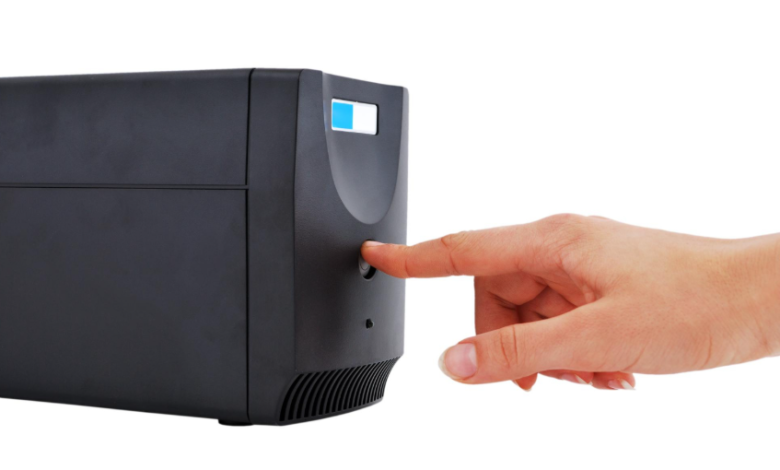
In today’s fast-paced digital and industrial world, a sudden power outage can disrupt operations, cause data loss, and even damage sensitive equipment. This is where an uninterruptible power source (UPS) becomes indispensable. A UPS is a device that provides emergency power to a load when the main power supply fails, ensuring that critical systems continue to operate without interruption.
What is an Uninterruptible Power Source?
An uninterruptible power source is an electrical device designed to deliver backup power instantly in case of a mains power failure. Unlike generators, which may take several seconds to start, a UPS provides immediate protection, making it essential for sensitive electronics like computers, servers, medical equipment, and telecommunication systems.
The primary purpose of a UPS is to bridge the gap between the loss of primary power and the startup of a backup generator or to provide short-term power to prevent data corruption and system downtime.
See also: How to Make CBD Gummies at Home
Types of Uninterruptible Power Source
There are several types of UPS systems, each designed for different applications and requirements:
- Offline/Standby UPS
- Provides basic power protection.
- Switches to battery power only when it detects a power failure.
- Suitable for home computers and small office equipment.
- Provides basic power protection.
- Line-Interactive UPS
- Offers better voltage regulation by automatically adjusting voltage fluctuations without switching to battery.
- Ideal for small to medium-sized businesses with moderate power disturbances.
- Offers better voltage regulation by automatically adjusting voltage fluctuations without switching to battery.
- Online/Double-Conversion UPS
- Continuously powers connected devices from its battery, which is constantly charged by the mains.
- Offers the highest level of protection against all power problems, including blackouts, surges, and voltage sags.
- Commonly used in data centers, hospitals, and critical industrial applications.
- Continuously powers connected devices from its battery, which is constantly charged by the mains.
Key Components of a UPS
A typical uninterruptible power source consists of the following components:
- Battery: Stores electrical energy to provide backup power.
- Rectifier/Charger: Converts incoming AC power to DC to charge the battery.
- Inverter: Converts stored DC power back to AC to supply connected devices.
- Static Bypass Switch: Allows direct connection to utility power in case of UPS failure.
- Control Panel: Monitors UPS status, battery health, and load conditions.
Benefits of Using an Uninterruptible Power Source
Using a UPS provides numerous advantages, particularly in environments where power stability is critical:
- Continuous Operation: Prevents downtime for computers, servers, and industrial equipment.
- Data Protection: Avoids loss of important files and database corruption during unexpected outages.
- Equipment Safety: Protects sensitive electronics from power surges, spikes, and voltage fluctuations.
- Business Continuity: Ensures smooth operation for businesses that rely on continuous power supply.
- Peace of Mind: Reduces anxiety about sudden power interruptions affecting crucial operations.
Applications of Uninterruptible Power Source
A UPS is not limited to one specific use; it is versatile and used across multiple sectors:
- IT and Data Centers: Protects servers, networking equipment, and storage devices.
- Medical Facilities: Ensures uninterrupted power for critical medical equipment like ventilators and monitors.
- Telecommunication Systems: Maintains uninterrupted communication and data transmission.
- Industrial Automation: Supports machinery and control systems to prevent operational stoppage.
- Home Use: Protects personal computers, home offices, and entertainment systems from power interruptions.
Maintenance Tips for UPS
Maintaining a UPS properly ensures longevity and reliable performance:
- Regular Battery Checks: Test battery capacity and replace old batteries before failure.
- Environment Control: Keep UPS in a cool, dry, and dust-free location to prevent overheating.
- Load Management: Avoid overloading the UPS beyond its rated capacity.
- Firmware Updates: Ensure any smart UPS systems are updated for optimal performance.
- Periodic Testing: Perform scheduled tests to confirm UPS readiness in case of power failure.
FAQs About Uninterruptible Power Source
Q1: How long can a UPS provide backup power?
A UPS can provide power for a few minutes to several hours, depending on the battery capacity and connected load. It is primarily designed to give enough time for safe shutdown or activation of alternative power sources.
Q2: Can a UPS replace a generator?
No, a UPS is not meant to replace a generator. It provides short-term power instantly, whereas generators are designed for long-term power supply. UPS and generators often work together for complete protection.
Q3: Does a UPS require maintenance?
Yes, periodic maintenance, especially battery checks and environment monitoring, is crucial for UPS reliability.
Q4: Is a UPS necessary for home use?
While not essential for everyone, a UPS can protect personal computers and home offices from sudden power outages and data loss.
Q5: What factors should I consider when choosing a UPS?
Consider the load capacity, type of UPS, battery runtime, and criticality of connected devices when selecting a UPS.
Conclusion
An uninterruptible power source is a vital investment for ensuring uninterrupted power supply to critical systems. From preventing data loss to protecting sensitive equipment, a UPS offers reliable and instant power backup for homes, businesses, and industries. By understanding its types, applications, and maintenance requirements, organizations and individuals can safeguard their operations against unexpected power interruptions and enjoy peace of mind knowing their devices are always protected.